
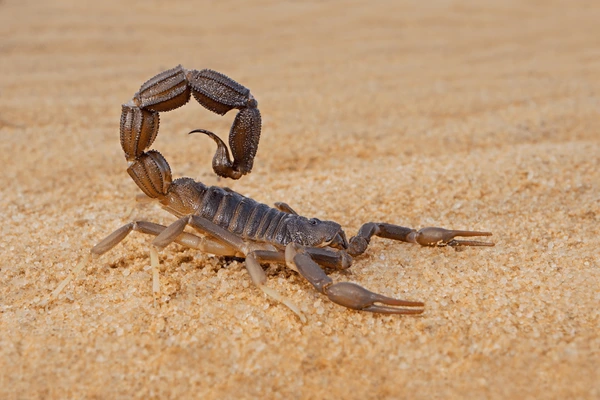
Florida, renowned for its diverse ecosystems and humid climate, is also home to several species of scorpions, often associated with arid desert regions. While these elongated arachnids are fascinating creatures, encounters, particularly within residential settings, can cause concern for homeowners. This guide provides a professional and informative overview of scorpions in Florida, their characteristics, reasons for indoor presence, and effective management strategies.
Understanding Scorpions in Florida’s Environment
Scorpions are nocturnal arachnids, typically exhibiting eight legs, a pair of pincer-like pedipalps, and a segmented tail culminating in a venomous stinger. They possess a unique characteristic: their exoskeletons glow under ultraviolet (UV) light, a phenomenon that can be utilised for detection. Scorpions have been present for approximately 450 million years, adapting to various conditions.
Despite common fears, most scorpion species found in the United States, including those native to Florida, are generally not considered life-threatening to healthy adults. Their stings, while painful, typically do not require extensive medical intervention. However, it is crucial to note that severe reactions can occur, particularly in vulnerable populations such as young children, older adults, or individuals with compromised immune systems.
Common Scorpion Species in Florida
Florida is home to six primary scorpion species encountered in the wild. Among these, the Hentz striped scorpion, Florida bark scorpion, and Guiana striped scorpion are the most frequently reported by residents.
Hentz Striped Scorpion (Centruroides hentzi)
The Hentz striped scorpion is the most common scorpion species throughout Florida, excluding the Lower Keys area. These small scorpions grow up to 2 inches, averaging 0.5 to 0.75 inches. They typically have dark brown or tan bodies with distinctive yellow to green stripes along their sides. Their sting is known to be very painful, with symptoms like swelling potentially lasting for up to two days. Preferred habitats include grasslands and pine forests, where they are often found resting under logs, wood piles, rocks, or loose bark. They are known to consume cockroaches.
Florida Bark Scorpion (Centruroides gracilis)
Also known as the brown bark scorpion or slender brown scorpion, the Florida bark scorpion is the largest species in Florida, reaching up to 4 inches in length. They possess brown bodies with yellow or orange dashes on their backs and lighter, reddish to orange legs. This species is found throughout Florida, with a higher prevalence in the lower two-thirds of the state, including the Panhandle. They prefer tropical, moist habitats, hiding under bark mulch, logs, and debris. Their diet consists of spiders, termites, and other small insects. Although their sting is very painful, it is generally less venomous than other bark scorpion species found elsewhere.
Guiana Striped Scorpion (Centruroides guanensis)
The Guiana striped scorpion, also called the Keys bark scorpion, is a medium-sized species growing up to 3 inches. Their bodies are predominantly yellow, often with varying patterns or coloration, and they typically feature a brownish area on their back with two dark stripes running lengthwise. These scorpions are geographically limited to the Keys and specific areas around Miami-Dade, Monroe, and Collier counties. They prefer hiding under bark, stones, or vegetation. If stung, pain and other symptoms can persist for one to five hours. They have a relatively short lifespan of two to three years.
Southern Devil Scorpion (Vaejovis carolinianus)
The southern devil scorpion, also known as the southern unstriped scorpion, is characterised by its dusty-brown to reddish colouration without patterns. They can grow up to 2.6 inches and have a lifespan of approximately seven to eight years. Unlike many scorpions, they prefer humid conditions and are found throughout Florida near rocky hillsides, brick walls, leaf-covered areas, and log piles. These scorpions are shy and generally prefer to flee or hide rather than attack, but may sting if their shelter is disturbed. Their venom is not considered dangerous to humans, but the sting is still very painful.
Bark Scorpion (Centruroides margaritatus)
The bark scorpion is a medium to large species, ranging from 2.5 to 3.75 inches. Their bodies, pincers, and tail tips are typically black to dark reddish-brown, contrasted by yellow to yellow-brown limbs. While native to the Bahamas and Central and South America, colonies have been introduced into Florida’s wild. These scorpions are known for their acrobatic nature, often resting and feeding upside down while clinging to tree bark. They are also communal and may hunt together.
Striped Bark Scorpion (Centruroides vittatus)
The striped bark scorpion is a medium-sized scorpion, reaching about 2.8 inches. They are pale yellow or tan with dark stripes on their back and a black tip on their stingers. Although not common in Florida, sightings have been reported in habitats they favour, such as forests and grasslands. Their colouring provides camouflage, and they frequently hide under vegetation, in rock crevices, or within and under homes and old structures. This species is one of the most commonly encountered in the United States, often resulting in stings.
Scorpion Behaviour and Habitat
Scorpions are primarily nocturnal predators, seeking shelter during the day and becoming active at night to hunt for food and mates. Outdoors, they commonly hide under rocks, logs, tree bark, wood piles, and other debris. Indoors, they may seek refuge in cool, dark, and damp places such as basements, attics, crawl spaces, behind furniture, in closets, or inside shoes and bedding.
Their diet mainly consists of insects like cockroaches and crickets, but they may also prey on millipedes, spiders, and even small rodents or reptiles. Scorpions typically ambush their prey, using their stingers to inject venom that can paralyse or kill, aiding in digestion. They generally are not aggressive and primarily sting when provoked, threatened, or accidentally trapped against skin, such as when one puts a foot into a shoe where a scorpion is hiding. Their first response to a perceived threat is often to flee, as venom production is metabolically expensive.
Scorpions have a relatively long lifespan compared to many insects and spiders, typically living for three to five years, though some can survive for up to fifteen years. Reproduction involves a unique courtship ritual where the male uses his pedipalps to grasp the female’s and leads her to a spot where he deposits a spermatophore (sperm packet). The fertilised eggs develop inside the female, and gestation can last from a few months to over a year. Young nymphs are born resembling miniature adults and initially climb onto their mother’s back for protection, remaining there until their first molt, approximately two weeks after birth, after which they disperse. Scorpions typically molt five or six times before reaching maturity.
Why Scorpions Enter Florida Homes
Scorpions are generally outdoor dwellers, but several factors can compel them to seek shelter indoors.
• Environmental Stress: Extreme outdoor conditions, such as intense heat, drought, or heavy rainfall, often drive scorpions indoors in search of more hospitable environments.
• Food Sources: Like many pests, scorpions are attracted to homes where food sources are abundant. They prey on household insects like cockroaches and crickets. Homes with lights left on overnight can also attract insects, which in turn draws scorpions.
• Habitat Disturbance: Human development and the clearing of natural habitats can displace scorpions, leading them to seek new residences in nearby properties and structures.
• Ease of Entry: Scorpions have flat bodies, allowing them to fit through very narrow spaces, even gaps as small as a credit card. They are also adept climbers, capable of scaling surfaces like gutters. Common entry points include cracks and gaps in foundations, windows, doors, and poorly sealed plumbing or vents. Firewood carried indoors can also introduce them.
Once a scorpion enters a home, it is unlikely to return to its outdoor habitat. Furthermore, a female scorpion carrying young can lead to a rapid increase in the indoor scorpion population if control measures are not implemented.
Signs of a Scorpion Infestation
Given their secretive and solitary nature, scorpions may not be immediately apparent within a home. However, certain indicators can suggest their presence:
• Direct Sightings: The most definitive sign is finding live or dead scorpions indoors.
• Increased Insect Activity: A noticeable increase in the population of small insects like cockroaches and crickets, which are a scorpion’s preferred prey, can suggest scorpions are being attracted to the food source.
• Shed Exoskeletons: As scorpions grow, they molt, leaving behind their shed skins. Finding these exoskeletons can indicate an active scorpion presence.
• Nocturnal Sounds: While rarer, a significant infestation might lead to nocturnal sounds from within walls or under floors.
• UV Light Detection: As scorpions glow under UV light, using a blacklight flashlight at night can reveal their presence, making them easier to spot.
Prevention and Control Measures
Effective scorpion management involves a combination of preventive strategies and, if necessary, control methods.
Sealing Entry Points
To prevent scorpions from entering, it is crucial to seal all potential entry points. This includes caulking cracks and gaps in your home’s foundation, walls, around windows and doors, and ensuring proper sealing around pipes and vents. Installing weatherstripping and door sweeps is also recommended. Ensure all windows have intact screens, replacing or repairing any with holes.
Maintaining the Yard
A tidy outdoor environment significantly reduces scorpion harborage. Remove piles of rocks, wood, leaf litter, and other debris from around your home’s foundation. Firewood should be stored at least 20 feet from the house and kept off the ground. Keeping grass cut short and trimming bushes away from the house also eliminates potential hiding spots and pathways to your roof.
Reducing Indoor Attractions
Inside the home, reduce clutter, especially in storage areas, as these provide ideal hiding spots. Promptly fix any plumbing leaks and reduce overall moisture in your home, using dehumidifiers in damp areas like bathrooms and basements. Always shake out clothing, shoes, towels, and bedding before use, particularly if they have been left undisturbed. Controlling other household pests is vital, as it eliminates a scorpion’s food source, making your home less appealing.
Handling Scorpions
If a scorpion is found indoors, remain calm. For safe removal, thick gloves are recommended. Scorpions can be trapped and released outdoors using a jar and a piece of cardboard, or carefully relocated with long-handled tongs. It is important never to squish scorpions with bare hands or feet, as this risks a sting and can release pheromones that might attract other scorpions. Diatomaceous Earth (DE), a natural powder, can be sprinkled around entry points, dehydrating and killing scorpions when they walk across it. Some natural repellents, such as mixtures of essential oils like lavender, cedar, peppermint, and cinnamon with water, can be sprayed around foundations, window casings, and door frames. Exercise caution with these, as “natural” does not mean “non-toxic,” and keep them away from children and pets.
Professional Pest Control
For severe infestations or if you are uncomfortable handling scorpions yourself, it is advisable to contact a professional pest control company. They can identify the species, assess the extent of the infestation, and implement tailored control solutions, including appropriate pesticides if necessary.
What to Do if Stung by a Scorpion
While most scorpion stings in Florida are not medically severe, understanding the appropriate response is essential.
Common symptoms at the sting site include pain (which can be intense), numbness, tingling, slight swelling, and warmth. The pain may feel like an electric shock or touching a hot pan, and can last from as little as three hours to up to 48 hours for more venomous species. Scorpion venom is designed to activate and magnify pain signals.
First Aid
If stung, immediately clean the wound thoroughly with mild soap and water. Apply a cool compress or ice wrapped in a wet cloth to the affected area for 10-20 minute intervals to help ease pain and swelling. If the sting is on a limb, rest and elevate the affected area in a supportive position to minimise venom spread. Over-the-counter pain relievers, such as ibuprofen or Tylenol, can be used for discomfort, after checking age restrictions and dosing instructions with a paediatrician if administering to children. Do not apply tourniquets, make incisions, or attempt to suction the venom.
When to Seek Medical Attention
While most stings do not require hospitalisation, immediate medical attention should be sought for children, older adults, or individuals with compromised immune systems. These populations are more vulnerable to severe effects from the venom.
Additionally, seek immediate medical care if you experience severe systemic symptoms, which indicate the venom is affecting the entire body. These symptoms can include:
• Difficulty breathing or rapid breathing
• Muscle twitching, spasms, or thrashing
• Unusual head, neck, or eye movements
• Drooling or slurred speech
• Nausea and vomiting, abdominal cramps, or inability to hold in stool
• High blood pressure (hypertension) or fast/irregular heart rate
• Restlessness, anxiety, or uncomforted crying in children
• Numbness that progresses from the sting site
• Paralysis or seizures
• Severe allergic reactions (anaphylaxis), similar to bee stings, including hives and trouble breathing.
For any concerns regarding a scorpion sting, contact your local Poison Control Center immediately by calling the national toll-free Poison Help hotline at 1-800-222-1222. This is a free, confidential service available 24/7. In severe cases, antivenom may be administered in a hospital setting, particularly for children.
Conclusion
Scorpions in Florida, while a common presence, are generally not a deadly threat, but their stings can be considerably painful. By understanding the common species, their behaviours, and why they might enter homes, residents can implement effective prevention strategies. Maintaining a clean and sealed living environment, both indoors and outdoors, is paramount to minimising encounters. Should a sting occur, appropriate first aid and timely medical attention for vulnerable individuals or severe symptoms are critical. For persistent issues, consulting professional pest control services can ensure a safe and comfortable home environment